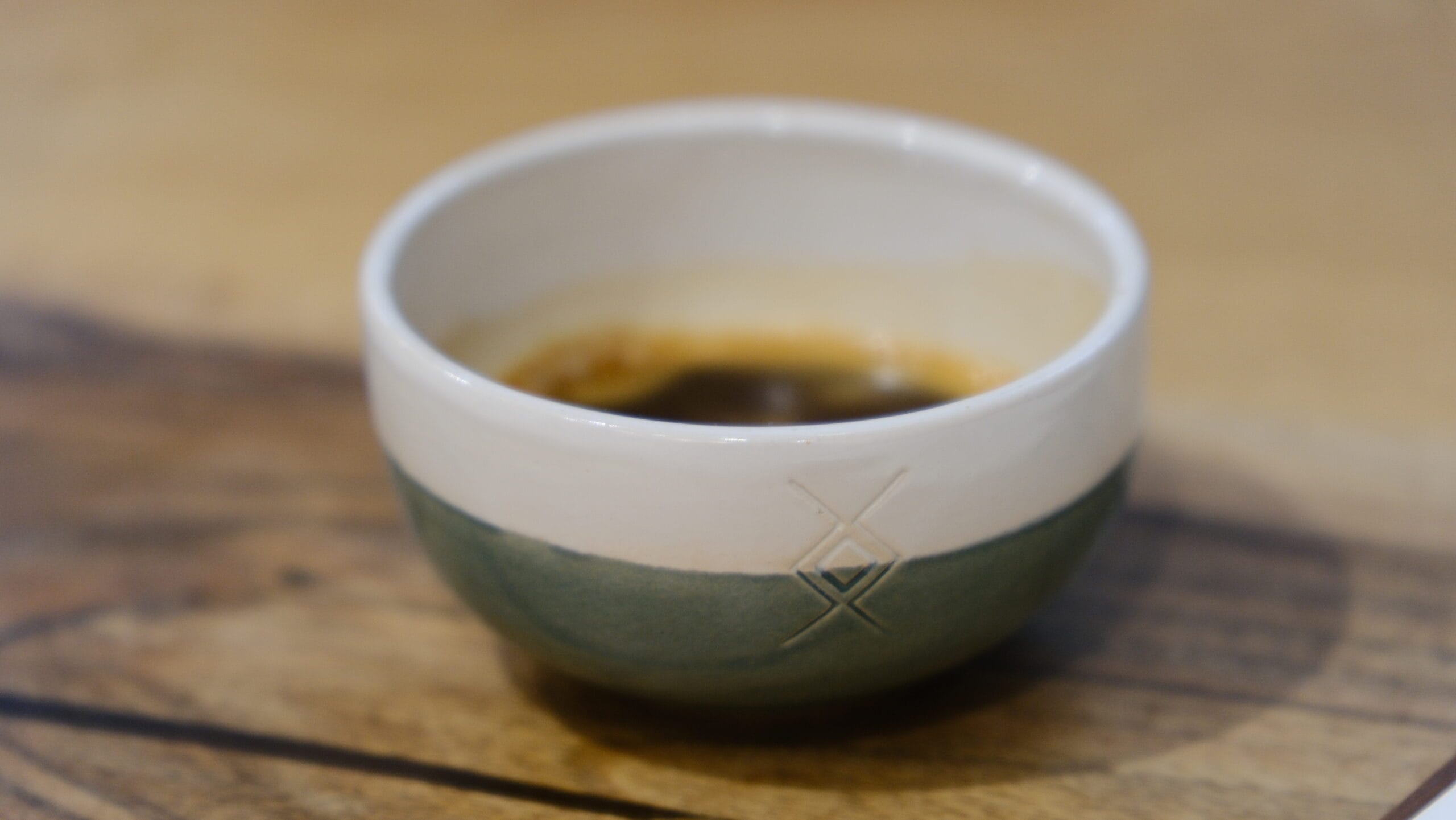
How the Right Coffee Cup Can Make or Break Your Specialty Coffee Shop (And Skyrocket Sales While You’re at It)
article by Silviu Popescu
There’s a moment, right after the barista hands over the coffee, just before the first sip, where expectation meets reality. The cup is warm in your hand, the aroma rising, and somehow, before you’ve even tasted it, you already know if the coffee is going to be good.
That’s the thing about coffee. It’s not just about the beans or the roast or the meticulous dance of extraction. It’s about the way it’s served, the way it feels in your hands, the subconscious signals telling your brain what to expect. And specialty coffee shops, the ones that sweat the details, the ones that care, should be paying attention to this, because the cup isn’t just a vessel. It’s an experience, a brand statement, and a profit-driving tool all in one.
Why Coffee Doesn’t Taste the Same in Every Cup
You could serve the exact same espresso in a different cup, and it would taste different. Not because of the coffee itself, but because of how our brains process flavor.
A 2019 study by Fabiana Carvalho found that the color, shape, and texture of a coffee cup alter how people perceive sweetness, acidity, and aroma. A wide, open cup makes coffee taste smoother, while a narrower cup amplifies acidity. A textured cup tricks the brain into sensing a more full-bodied coffee, while a smoother surface enhances sweetness.
You know how wine tastes better in a fine crystal glass than in a red Solo cup? Same concept. Your customers are subconsciously judging your coffee before it even touches their lips.
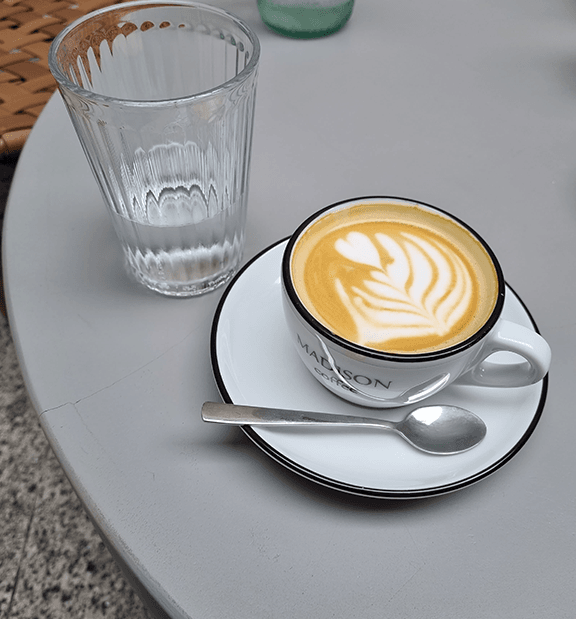
There’s a reason high-end restaurants use heavy, well-designed tableware. It’s not just about aesthetics, it’s about perceived value.
A 2020 study found that customers associate heavier cups with quality and are willing to pay more for coffee served in a substantial, well-crafted mug. That means if you’re using thin, cheap cups, you’re literally leaving money on the table.
And it’s not just dine-in mugs that matter. Your takeaway cup is free marketing. The best coffee shops turn their cups into walking billboards, a minimalist matte-black design, a perfectly positioned logo, and a material that just feels luxurious. Customers carry it, they photograph it, they post it. And in a world where coffee is as much a lifestyle product as it is a drink, this is the kind of organic marketing that boosts brand recognition without a dollar spent on ads.
Starbucks figured this out decades ago. Why do you think their holiday cups create such a social media frenzy every year?
Here’s a frustratingly real problem: you make the perfect cappuccino. The customer takes a sip. It’s already lukewarm. They’re unimpressed. They don’t know why it wasn’t as great as last time, but they don’t come back.
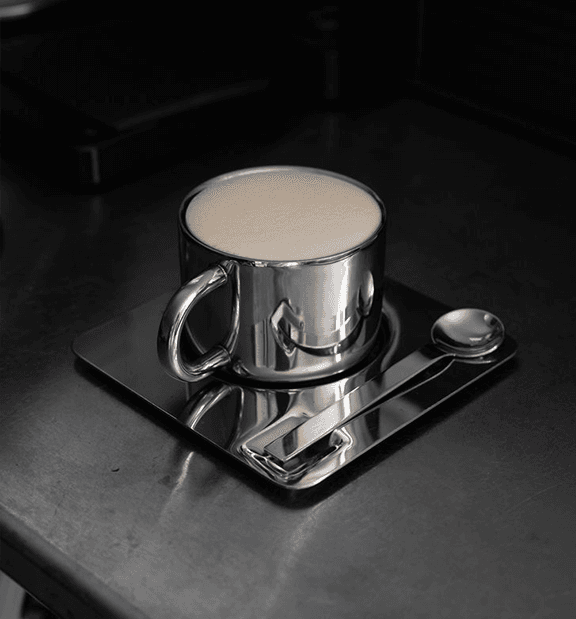
Thin, mass-produced cups bleed heat. The best specialty coffee cups are designed for heat retention, keeping drinks at the perfect temperature longer.
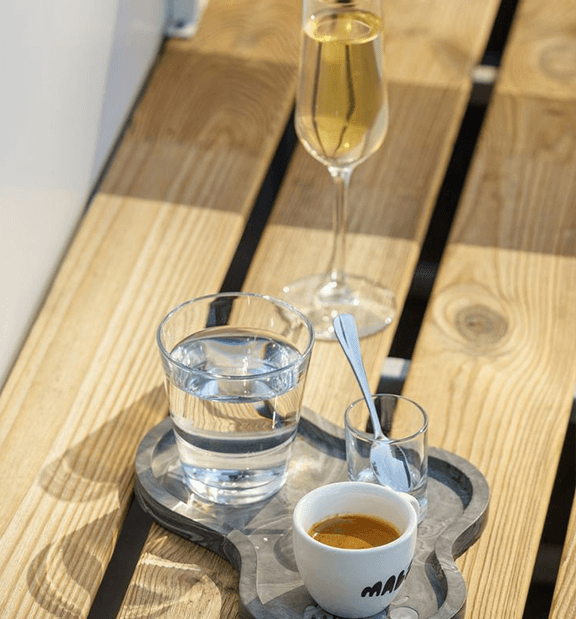
Ceramic is the gold standard. It’s non-porous, doesn’t interfere with flavor, and holds heat better than glass or paper.
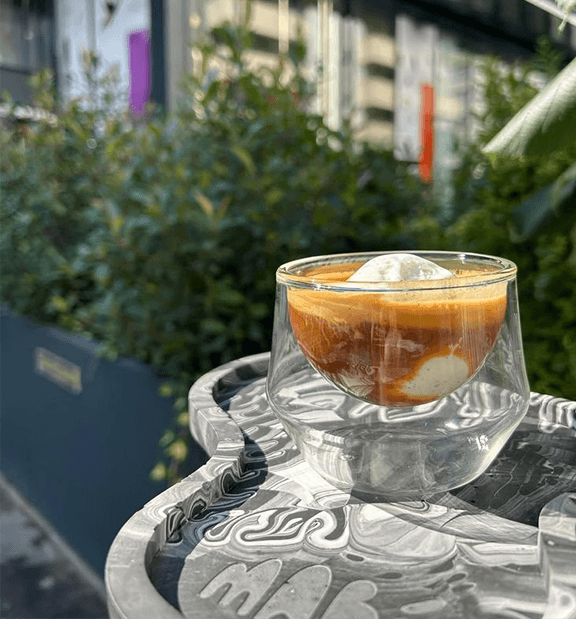
Double-walled glass is great for aesthetic drinks (hello, latte art) while keeping coffee warmer for longer.
Metal looks cool, but can subtly alter taste (unless it’s lined with ceramic).
Paper cups lose heat the fastest. Let’s be honest, a flimsy cup with a weak lid can ruin an entire coffee experience.
And for those who think sustainability is just a buzzword? Eco-conscious customers are paying attention. Offering compostable takeaway cups or branded reusable mugs isn’t just good for the planet. It builds loyalty.
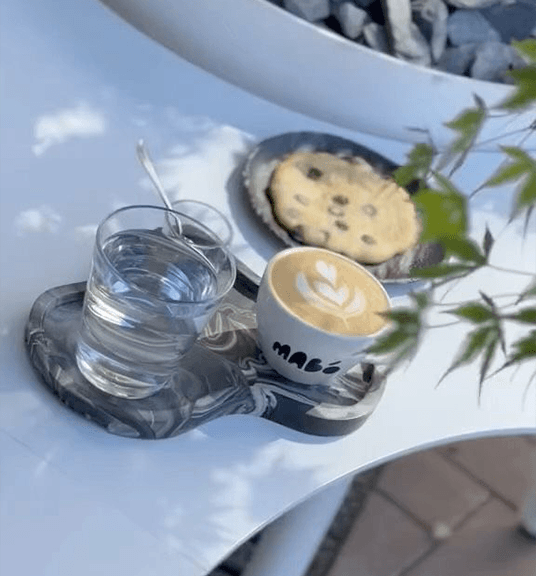
If your takeaway cups are boring, your in-house mugs feel cheap, and your espresso cups don’t hold heat? You’re missing out on sales opportunities.
– Better cups justify premium pricing. Customers are happy to pay more for a drink that feels deliberately crafted from start to finish.
– Aesthetically designed cups boost social media marketing. A great-looking cup gets photographed, tagged, and shared. That’s free advertising.
– Signature mugs encourage repeat visits. Customers come back because they remember the experience, not just the coffee.
– Custom takeaway cups act as brand ambassadors. A distinctive design turns a customer into a walking endorsement of your café.
– It’s not an expense. It’s an investment in customer perception, loyalty, and revenue growth.
Specialty coffee is about craft. It’s about taking the time to get everything right from sourcing the beans to dialing in the perfect shot. But if you stop at the drink and ignore the cup, you’re sabotaging your own work.
Customers don’t just drink coffee. They experience it. And that experience starts with the cup they hold in their hands.
The next time you’re choosing coffee cups for your café, think beyond practicality. Choose cups that enhance taste, feel great to hold, and make a visual impact. Because in an industry where every detail matters, the right cup isn’t just a detail. It’s a game-changer.
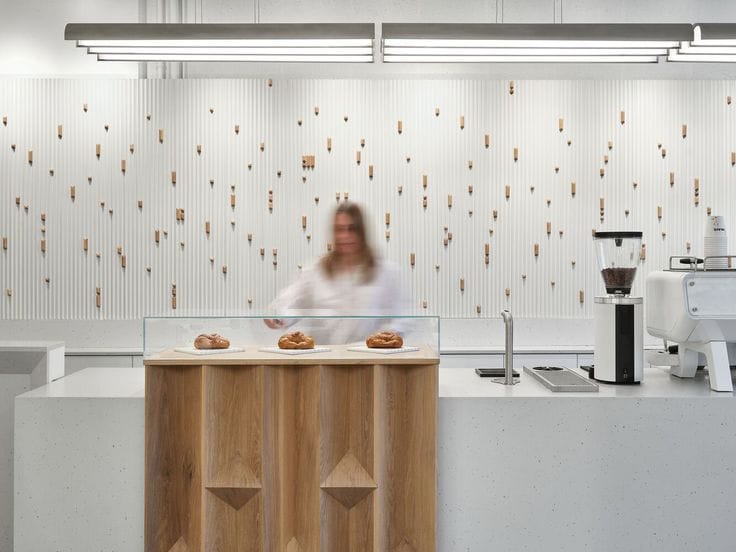
Beyond functionality, the coffee bar must also stand out as a key design element. In many ways, the bar is the centerpiece of the coffee shop, the first thing customers see when they walk in, the place where all interactions begin, and the space that sets the tone for the entire experience. While efficiency is paramount, aesthetics cannot be ignored. A beautifully designed bar draws customers in, creates a sense of identity, and reinforces the brand’s personality.
Material choice is crucial. The countertop should be both durable and visually appealing, resisting the inevitable wear and tear of a high-traffic coffee shop environment. Stone and wood remain timeless choices, offering a natural, warm look while being scratch and stain-resistant. Ceramic is also an option, particularly for those wanting a sleek, modern finish. The bar should never look tired or outdated. Regular upkeep and high-quality materials ensure that it remains a statement piece for years.
Strategic lighting can further enhance the bar’s presence. Pendant lights, under-counter lighting, or subtle backlit signage help create depth and warmth, making the bar an inviting focal point. Thoughtful color schemes, textures, and branding elements, whether through custom tiles, logo-etched countertops, or statement shelving, add to the storytelling of the space.
However, aesthetics should never overshadow function. A bar that is beautiful but inefficient will quickly frustrate staff and clients and slow down service. The key is balance, creating a space that is both visually striking and operationally seamless. A great coffee bar is designed to sell, and the best-selling starts at the bar itself.
Even with the best design in place, workflow depends on the people running it. Baristas must be trained to move efficiently, to communicate seamlessly, and to anticipate each other’s movements. The best coffee shops operate with a kind of silent choreography, baristas knowing when to step forward and when to step back, when to reach for a cup and when to let another take over. Effective batching of orders, where similar drinks are prepared simultaneously rather than in the exact order they were placed, is a crucial skill that speeds up service without sacrificing quality.
Future-proofing is also a consideration. A bar that works today might not work tomorrow. Business growth often means higher demand, and a coffee shop’s design must be flexible enough to accommodate expansion. Leaving room for additional equipment, ensuring that storage solutions can adapt, and keeping space open for future modifications prevent costly redesigns down the line.
Cleanliness plays a role in efficiency too. A cluttered workspace slows baristas down. The most efficient coffee bars adopt a mise en place approach, where everything has its place, and everything returns to its place after use. Baristas should never waste time searching for tools or navigating around unnecessary items. Wall-mounted storage, open shelving for frequently used items, and designated zones for waste disposal keep the bar streamlined and service swift.
A coffee bar’s flow doesn’t just shape how quickly drinks are made; it shapes the entire experience of the coffee shop. Customers may not always notice the details of a well-designed workspace, but they feel it. They feel it in the ease of ordering, in the seamlessness of pickup, in the way the baristas move effortlessly behind the counter. And when service is quick, when the atmosphere is inviting, and when every element is working in harmony, they return. Again and again.
Because the best coffee shops aren’t just places to grab a drink. They are experiences. And those experiences begin with smart, intentional design.
At 441 Design Powerhouse, we create specialty coffee spaces that blend design, branding, and business strategy. Whether you need help selecting signature cups, rebranding your café, or designing a coffee shop that customers rave about, we’ve got you covered.
Let’s build something extraordinary. Contact us today.
We feature the best coffee shop tips on our design blog. If you need help with your coffee shop design, don’t hesitate to contact us now. The experts at 441 Design Powerhouse will shape the customer experience through a curated collection of design elements
RELATED POSTS

Keep up with us
Subscribe to our newsletter to receive the latest news, enjoy our latest projects and meet our team.