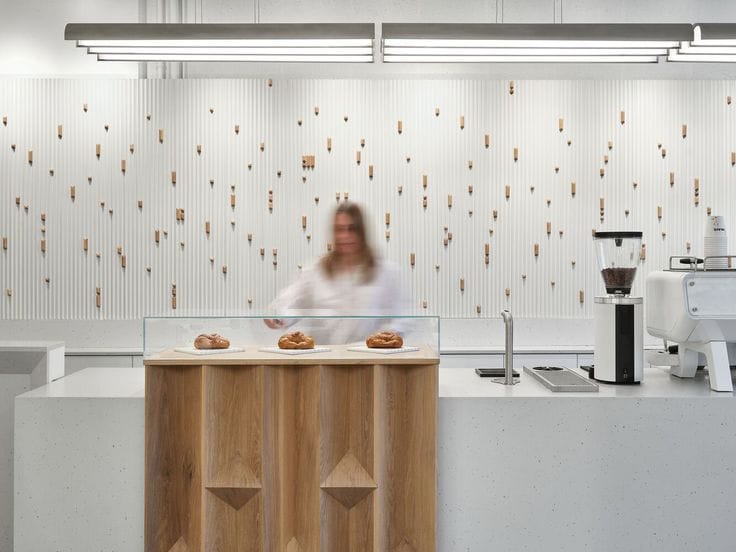
The Ultimate Beginner’s Guide to Smarter Coffee Bar Flow
article by Silviu Popescu
Behind every great coffee shop is a bar that operates like a well-oiled machine. The way baristas move, the way orders flow from register to pickup, and the way every tool is placed within reach—it all determines whether a coffee shop hums along effortlessly or grinds to a frustrating halt. A good bar flow is the secret to speed, efficiency, customer satisfaction and sales. And yet, so many coffee shops overlook this crucial element, designing beautiful spaces that ultimately slow their staff down and create bottlenecks.
A well-designed coffee bar is not just about aesthetics—it’s about understanding movement, workflow, and design as one cohesive system. Every step a barista takes should be intentional. Every second saved is a second gained for crafting quality coffee and engaging with customers. The goal isn’t just to move faster; it’s to work smarter.
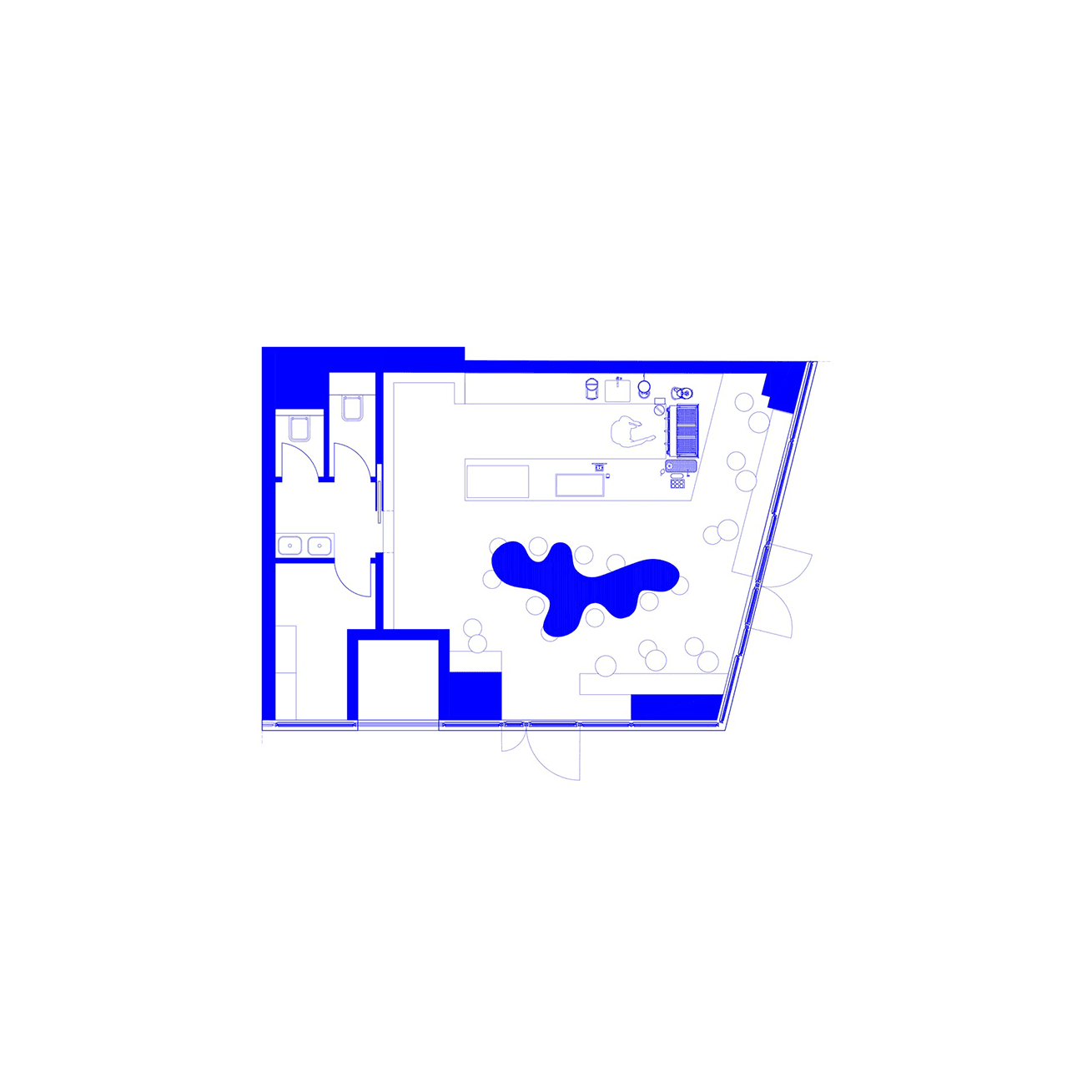
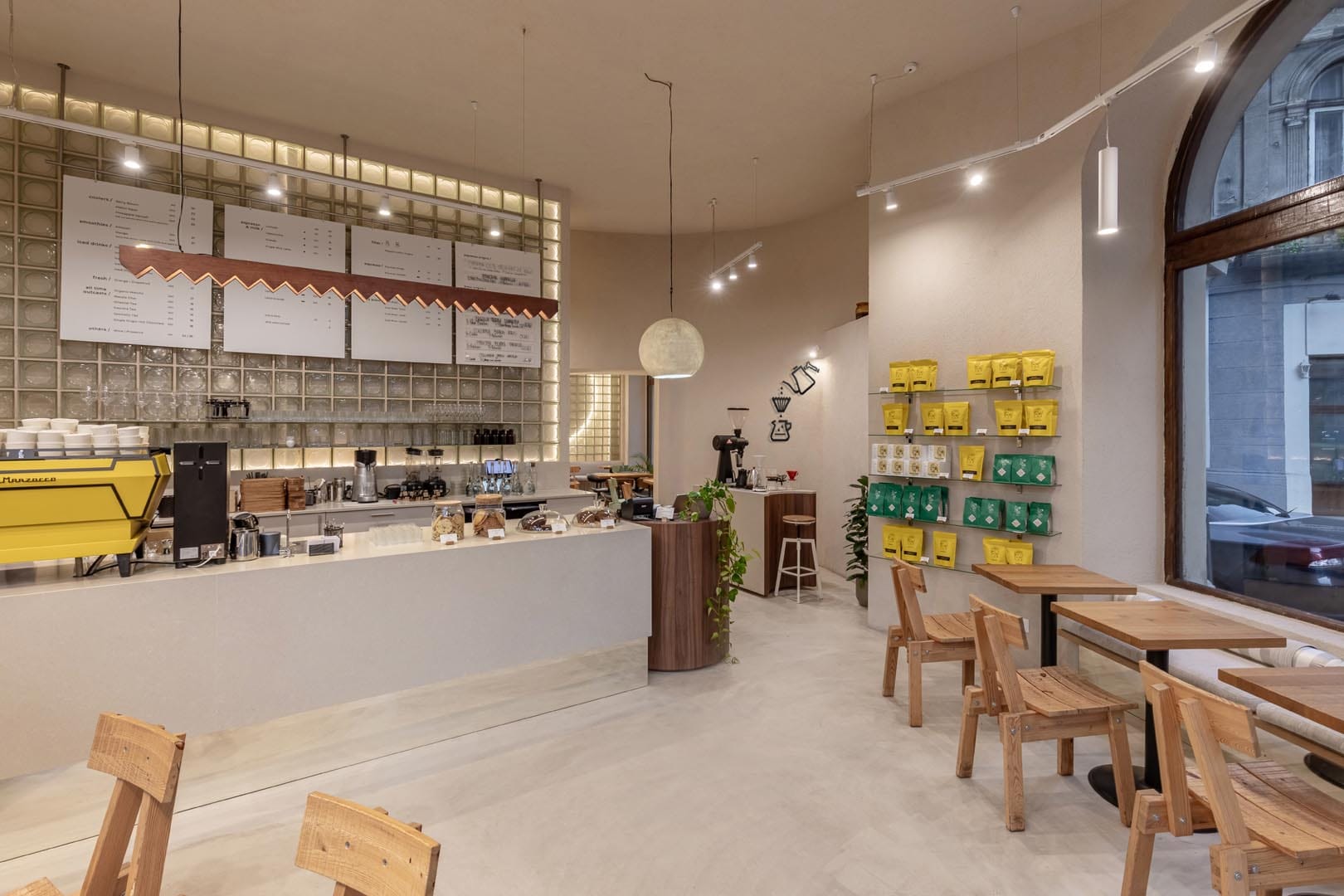
It starts with layout. Before espresso machines, grinders, and milk steamers are installed, the flow of movement must be mapped out. A barista should be able to pivot from station to station without taking unnecessary steps. The counter itself serves as the backbone of this movement. It is where orders are placed, where drinks are crafted, and where the rhythm of the place takes shape. A smartly designed counter typically consists of at least two zones—one for taking orders and another for preparing drinks—but many go further, incorporating designated areas for batch brewing, food prep, and retail displays. The positioning of these zones can make or break the efficiency of service.
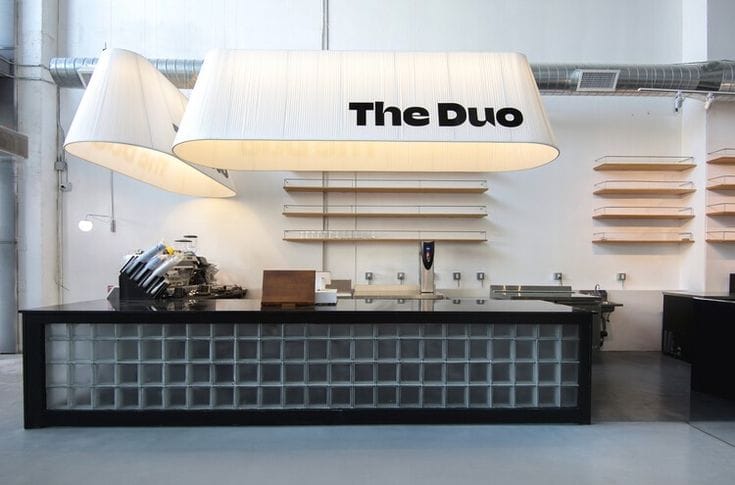
The best coffee shops create clear work zones that prevent baristas from getting in each other’s way. The espresso station, where the real magic happens, should have everything within reach: the grinder, tamping area, knock box, and milk station all positioned for seamless movement. No barista should ever have to take extra steps to retrieve a jug of milk. Designing the bar to include a bin and sink near the espresso machine eliminates wasted movement, keeping workflow smooth even during peak rushes.
In a high-volume coffee shop, every fraction of a second matters. The equipment chosen for the bar can either facilitate efficiency or drag it down. Investing in high-speed grinders, automated tampers, and programmable espresso machines can shave seconds off each order, accumulating into minutes saved over the course of a shift. A well-placed multi-steam wand setup allows multiple baristas to steam milk simultaneously, reducing bottlenecks in the workflow.
Yet, speed isn’t everything. Customer experience is just as important as operational efficiency. Customers shouldn’t have to guess where to order or pick up their drinks. A clear and intuitive flow—from entrance to ordering station, from waiting area to pickup—ensures that traffic moves smoothly. One of the simplest ways to prevent chaos at the counter is to separate the pickup area from the ordering line. This small shift in layout prevents customers from crowding one space, allowing orders to be fulfilled without disruption.
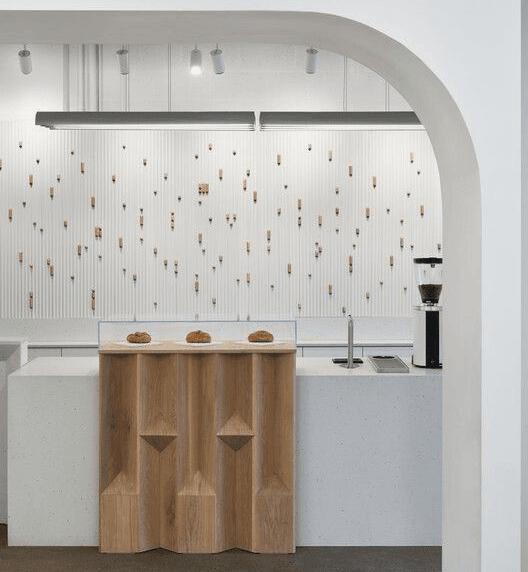
Beyond functionality, the coffee bar must also stand out as a key design element. In many ways, the bar is the centerpiece of the coffee shop—the first thing customers see when they walk in, the place where all interactions begin, and the space that sets the tone for the entire experience. While efficiency is paramount, aesthetics cannot be ignored. A beautifully designed bar draws customers in, creates a sense of identity, and reinforces the brand’s personality.
Material choice is crucial. The countertop should be both durable and visually appealing, resisting the inevitable wear and tear of a high-traffic coffee shop environment. Stone and wood remain timeless choices, offering a natural, warm look while being scratch and stain-resistant. Ceramic is also an option, particularly for those wanting a sleek, modern finish. The bar should never look tired or outdated—regular upkeep and high-quality materials ensure that it remains a statement piece for years.
Strategic lighting can further enhance the bar’s presence. Pendant lights, under-counter lighting, or subtle backlit signage help create depth and warmth, making the bar an inviting focal point. Thoughtful color schemes, textures, and branding elements—whether through custom tiles, logo-etched countertops, or statement shelving—add to the storytelling of the space.
However, aesthetics should never overshadow function. A bar that is beautiful but inefficient will quickly frustrate staff and clients and slow down service. The key is balance—creating a space that is both visually striking and operationally seamless. A great coffee bar is designed to sell, and the best-selling starts at the bar itself.
Even with the best design in place, workflow depends on the people running it. Baristas must be trained to move efficiently, to communicate seamlessly, and to anticipate each other’s movements. The best coffee shops operate with a kind of silent choreography—baristas knowing when to step forward and when to step back, when to reach for a cup and when to let another take over. Effective batching of orders, where similar drinks are prepared simultaneously rather than in the exact order they were placed, is a crucial skill that speeds up service without sacrificing quality.
Future-proofing is also a consideration. A bar that works today might not work tomorrow. Business growth often means higher demand, and a coffee shop’s design must be flexible enough to accommodate expansion. Leaving room for additional equipment, ensuring that storage solutions can adapt, and keeping space open for future modifications prevents costly redesigns down the line.
Cleanliness plays a role in efficiency too. A cluttered workspace slows baristas down. The most efficient coffee bars adopt a mise en place approach—everything has its place, and everything returns to its place after use. Baristas should never waste time searching for tools or navigating around unnecessary items. Wall-mounted storage, open shelving for frequently used items, and designated zones for waste disposal keep the bar streamlined and service swift.
A coffee bar’s flow doesn’t just shape how quickly drinks are made—it shapes the entire experience of the coffee shop. Customers may not always notice the details of a well-designed workspace, but they feel it. They feel it in the ease of ordering, in the seamlessness of pickup, in the way the baristas move effortlessly behind the counter. And when service is quick, when the atmosphere is inviting, and when every element is working in harmony, they return. Again and again.
Because the best coffee shops aren’t just places to grab a drink. They are experiences. And those experiences begin with smart, intentional design.
We specialize in branding, interior design, and coffee shop workflow optimization. Whether you’re launching a new coffee shop or looking to enhance efficiency in your current space, we design coffee bars that blend style, function, and profitability.
📌 Let’s build something extraordinary. Contact us today.
We feature the best coffee shop tips on our design blog. If you need help with your coffee shop design, don’t hesitate to contact us now. The experts at 441 Design Powerhouse will shape the customer experience through a curated collection of design elements. 🚀
RELATED POSTS

Keep up with us
Subscribe to our newsletter to receive the latest news, enjoy our latest projects and meet our team.